
24/7 Call Answering
 (201)488-1161
(201)488-1161
(201)488-1161
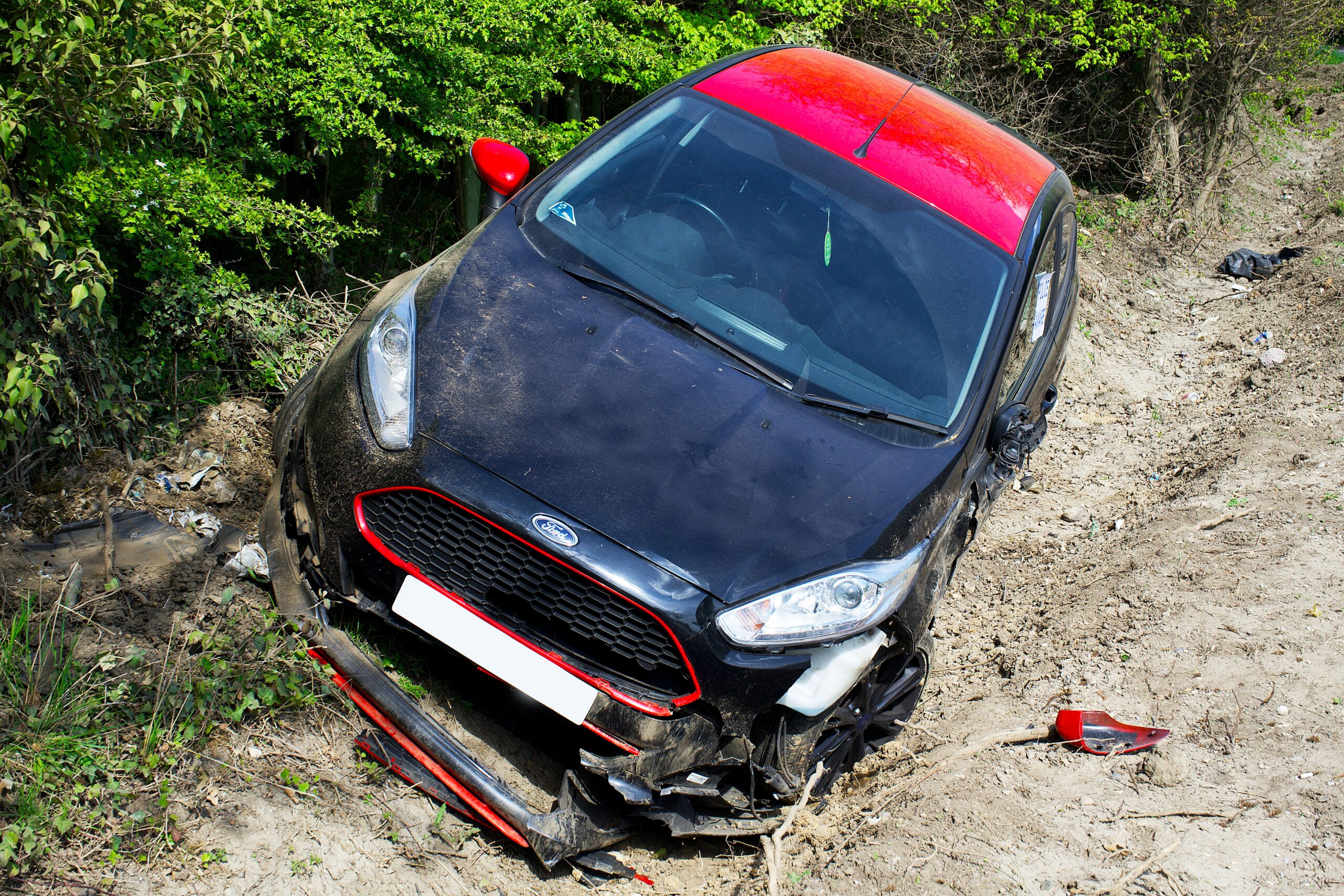
Car accidents happen fast. One moment you’re stopped at a light, the next you’re rear-ended, and by the time the police arrive, the other driver has a different story from what happened. This is where dash cam and traffic camera footage can destroy the bogus defense arguments about who caused the crash.
In New Jersey, video evidence from dash cams, red-light cameras, and nearby surveillance systems is increasingly playing a central role in car accident cases — and understanding how it works can help you protect your claim.
Yes. Dash cam footage is generally admissible in New Jersey car accident cases, provided it meets the same evidentiary standards as any other piece of video evidence. That means the footage must be authenticated — someone (usually one of the drivers or a witness) must be able to testify that the video is a fair and accurate depiction of what happened, and that it hasn’t been altered or edited.
Dash cam video can be powerful because it’s objective. Unlike witness memory, which fades and shifts over time, a dash cam captures the accident as it unfolds: the speed of the vehicles, who had the right of way, whether a driver ran a red light, or whether they were following too closely before a rear-end collision. In a case where liability is disputed — which is common — this kind of footage can eliminate the problem of believability entirely.
New Jersey doesn’t have a statewide traffic camera network in the way some states or cities do, but many intersections, municipalities, and private businesses maintain cameras that may have captured an accident. This may include:
The challenge with traffic and surveillance camera footage is time. Most systems only retain footage for a short period — sometimes just a matter of days — before it’s automatically overwritten. That’s why acting quickly after a crash matters. Once footage is gone, it’s often gone for good.
Insurance companies do not simply take an injured person’s word for what happened. Insurance adjusters and insurance defense attorneys look for any opening to dispute fault or downplay the severity of a crash, so they can potentially pay you less than you should get. Video footage removes much of that ambiguity. It can:
At O’Cathain Law Group, our Personal Injury Law Department has seen firsthand how a single piece of video can change the entire trajectory of a case — sometimes moving an insurance company from a lowball offer to a fair settlement almost overnight. (This is one of the many reasons you should never accept money from, or sign a document prepared by, an insurance company, without consulting your personal injury lawyer first. Insurance companies are not on your side.)
Because footage can disappear quickly, one of the most important things we do early in a case is identify potential video sources and send preservation requests before that footage is deleted or recorded over. This can include formally requesting municipalities, businesses, or property owners preserve any relevant recordings, and, when necessary, using the legal discovery process to obtain footage that isn’t voluntarily produced.
Our firm’s Personal Injury Law Department, led by experienced trial lawyer Donny O’Cathain, can work with his team of dedicated personal injury law paralegals to track down and secure this kind of evidence before it’s lost — because once it’s gone, there’s often no substitute for it in front of a jury or at the negotiating table.
If you have a dash cam and you’re involved in an accident:
Video evidence can be one of the most powerful tools in a New Jersey car accident case, but only if it’s identified, preserved, and used correctly. If you or a loved one has been injured in a car accident, don’t wait to find out what evidence might already be disappearing. Contact O’Cathain Law Group’s Personal Injury Law Department today for a free consultation and let us help you go the videotape and Move Forward.